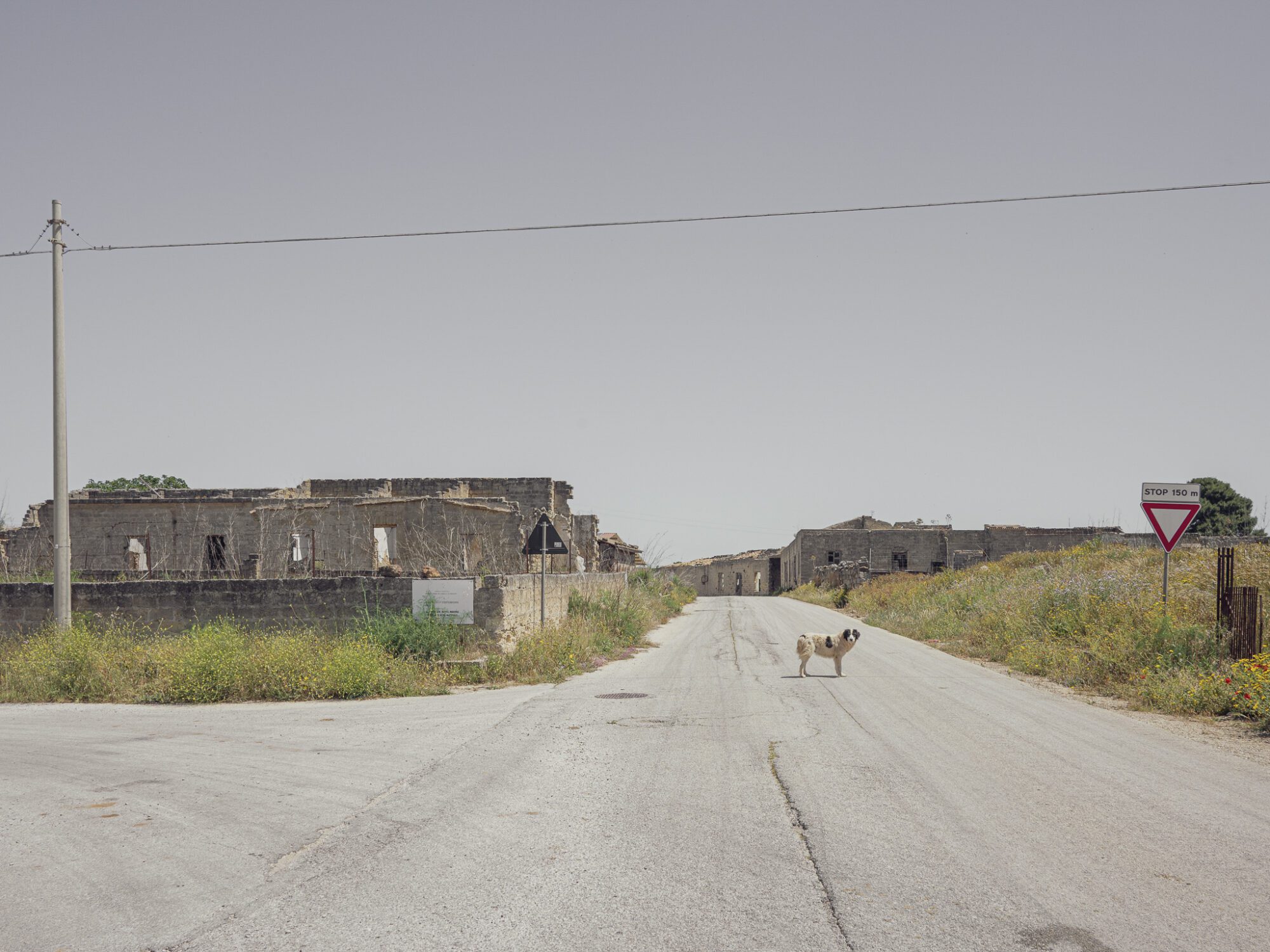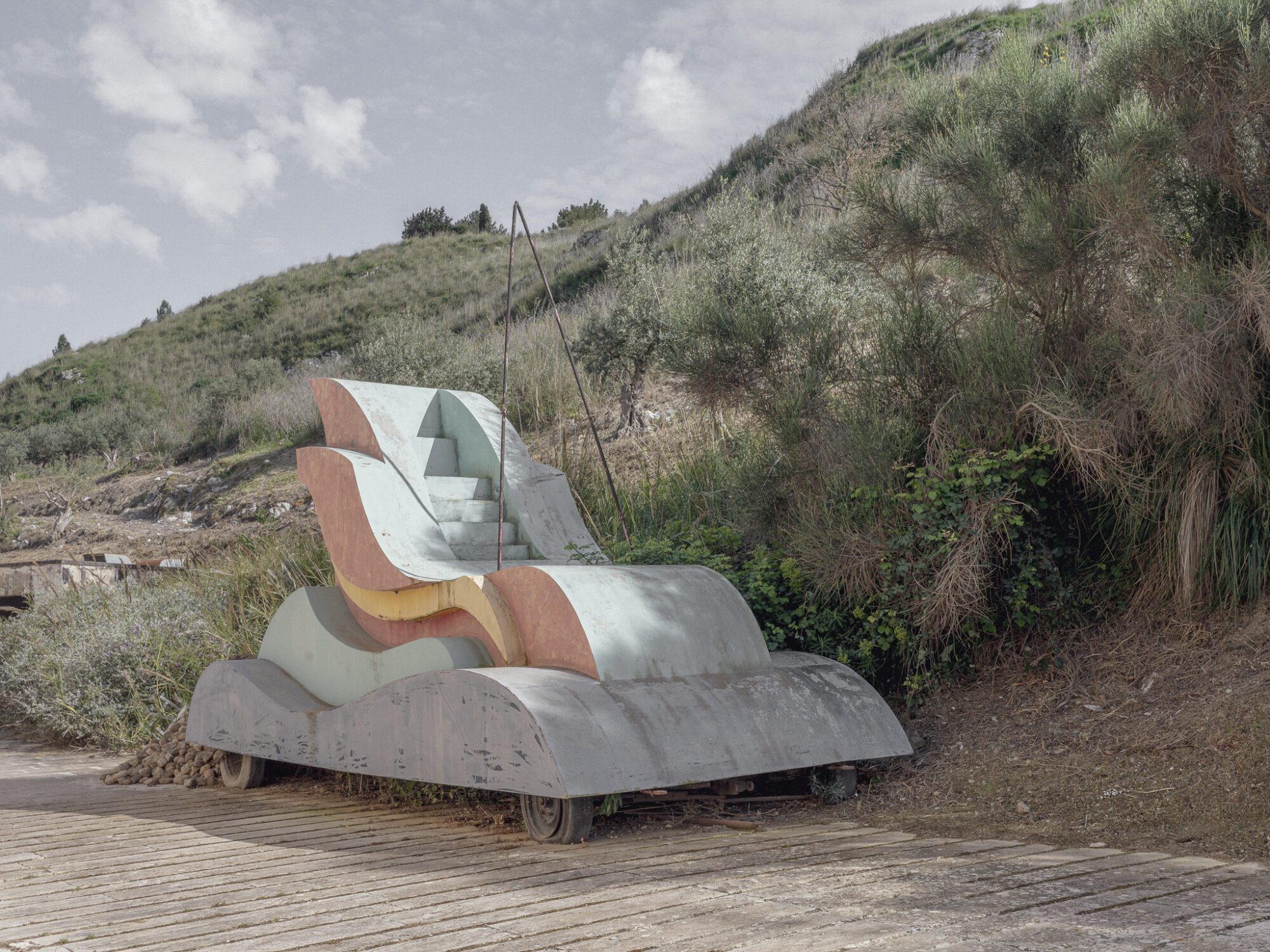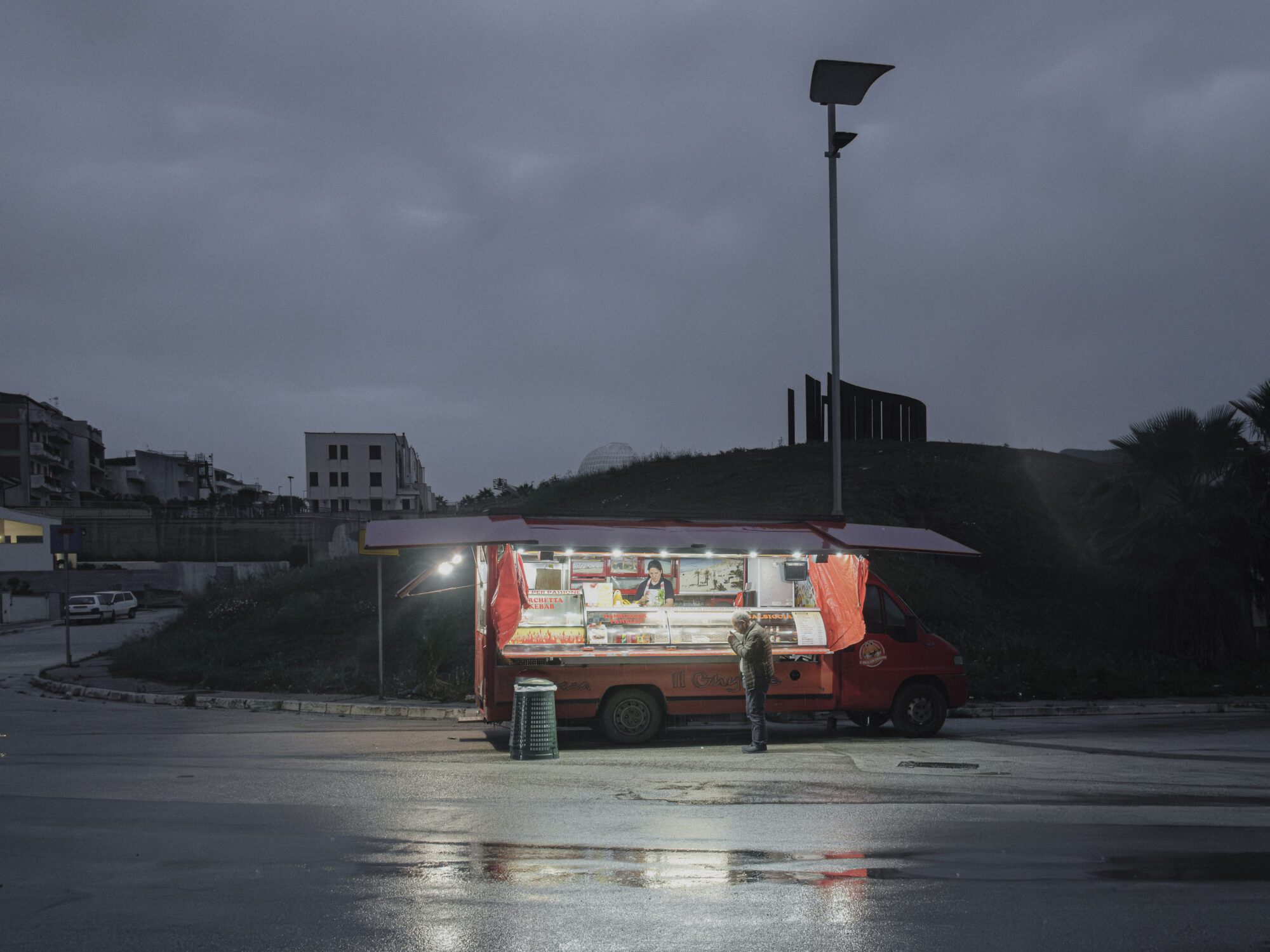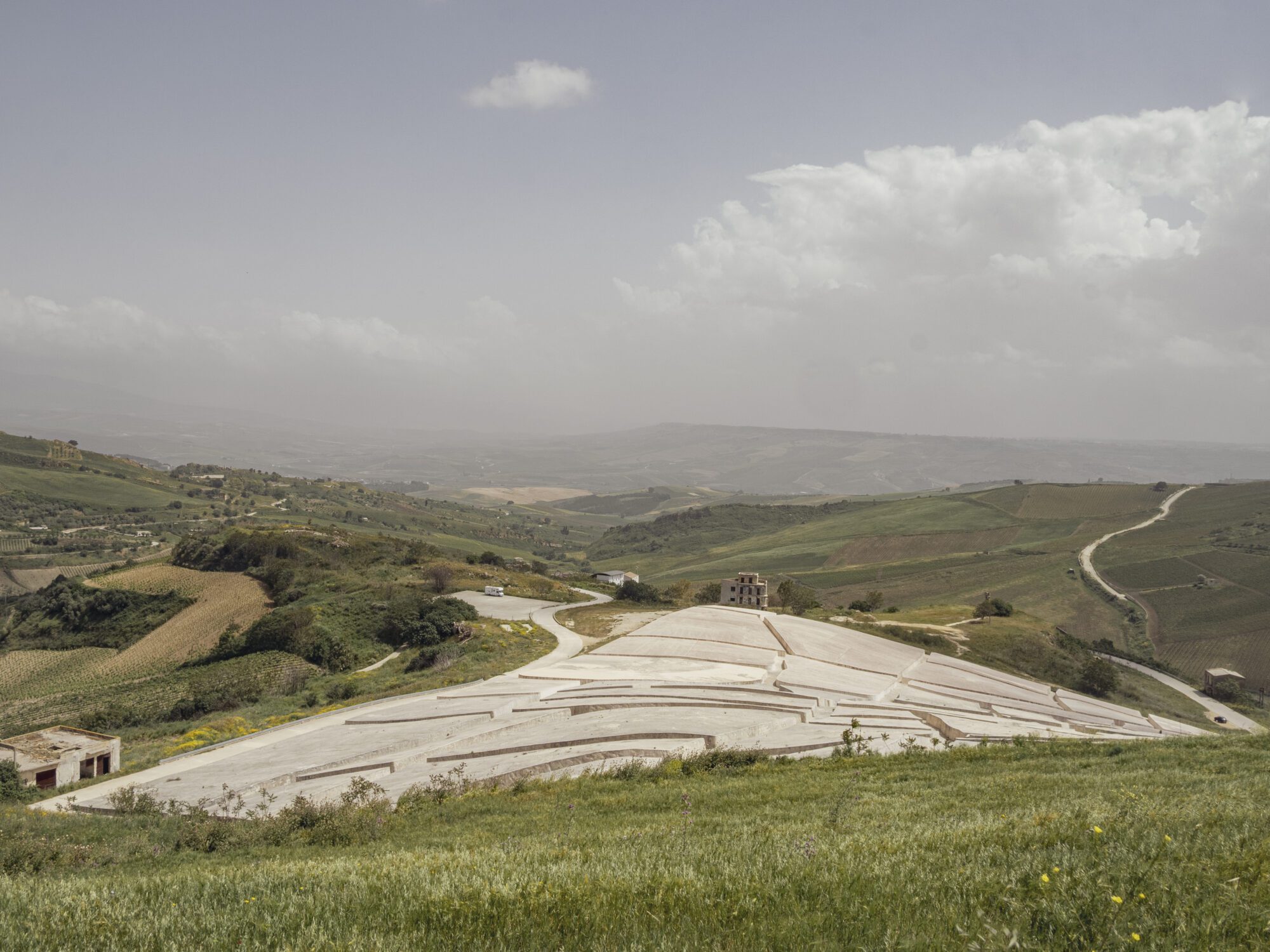
Il terremoto del gennaio 1968 che devastò la Valle del Belice, nelle province di Trapani e Agrigento, non distrusse soltanto interi paesi, ma incrinò in modo irreversibile un tessuto sociale che ancora oggi ne mostra i segni più tangibili: nei vuoti urbani, nelle architetture avvenieristiche o sovradimensionate, nei segni di un’assenza più che nelle macerie.
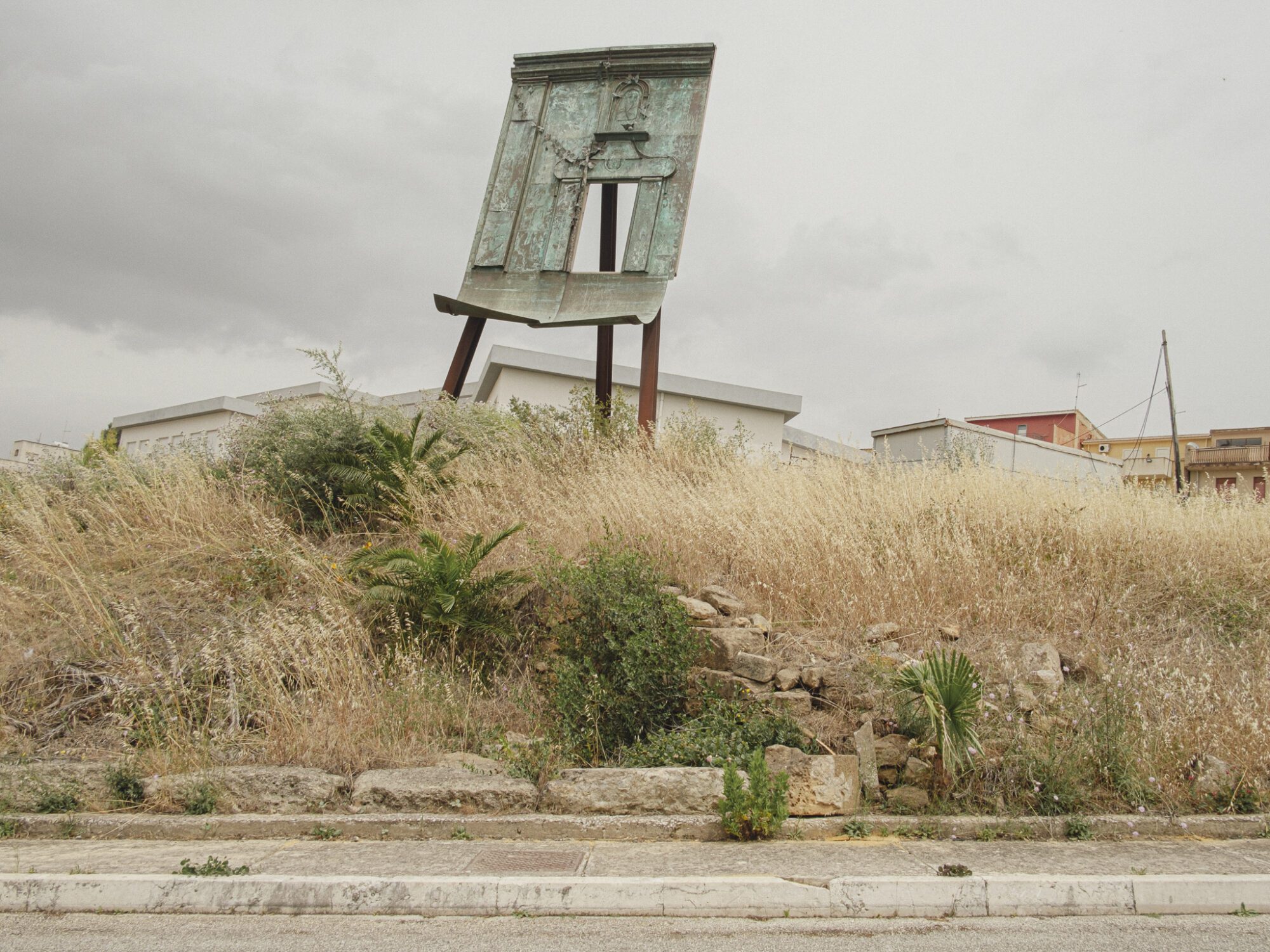
Le località più colpite dal sisma, tra cui Poggioreale, Salaparuta e Gibellina, furono ricostruite in nuovi luoghi ritenuti più sicuri e stabili, con notevoli conseguenze sulla vita degli abitanti e sul tessuto sociale delle comunità coinvolte. Per colmare questo gap emotivo e geografico, si decise di puntare su un modello di ricostruzione audace e innovativo: Nuova Gibellina nacque così come laboratorio a cielo aperto, dove arte e architettura contemporanea avrebbero dovuto ricucire la frattura tra memoria e presente.
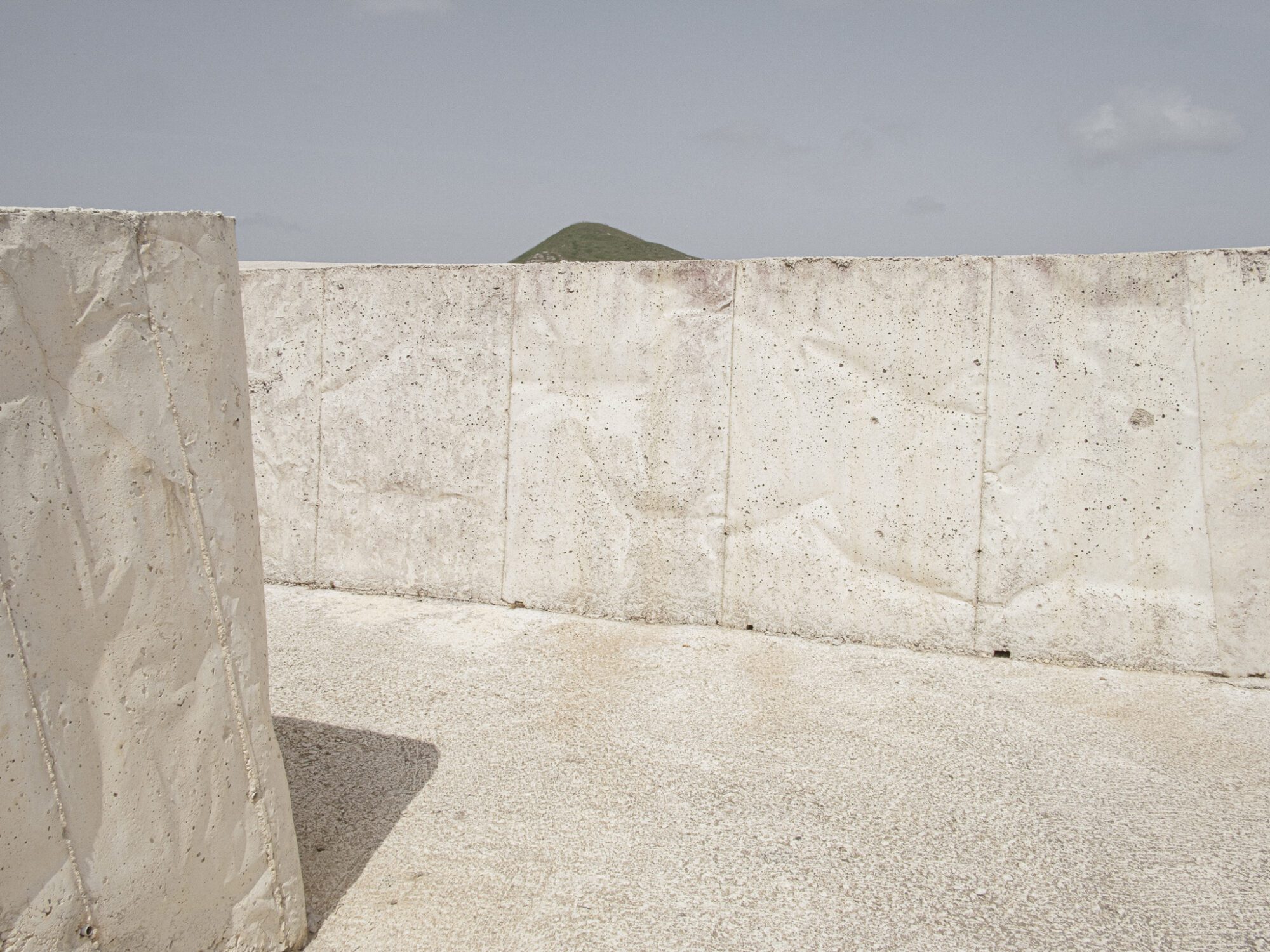
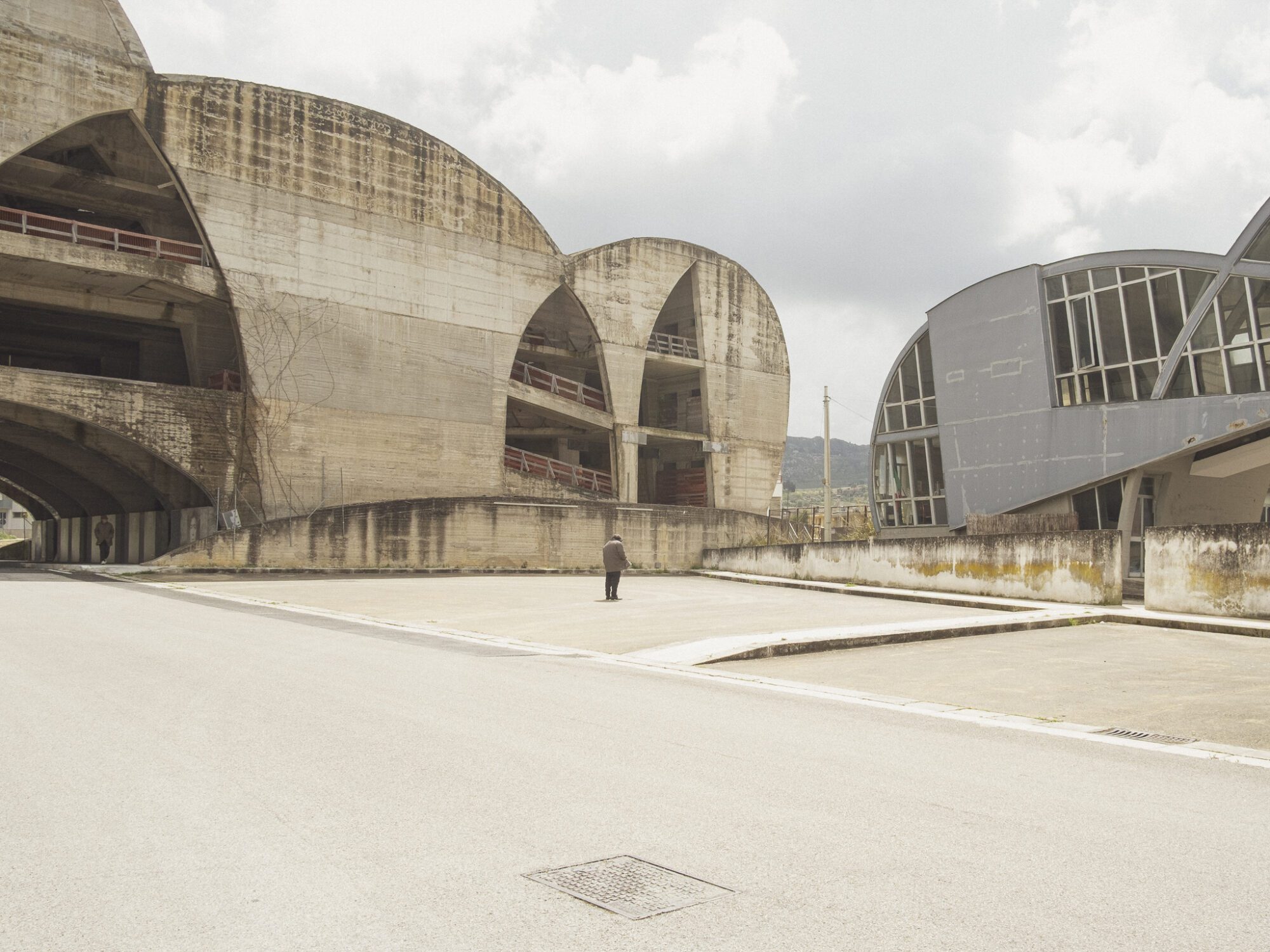
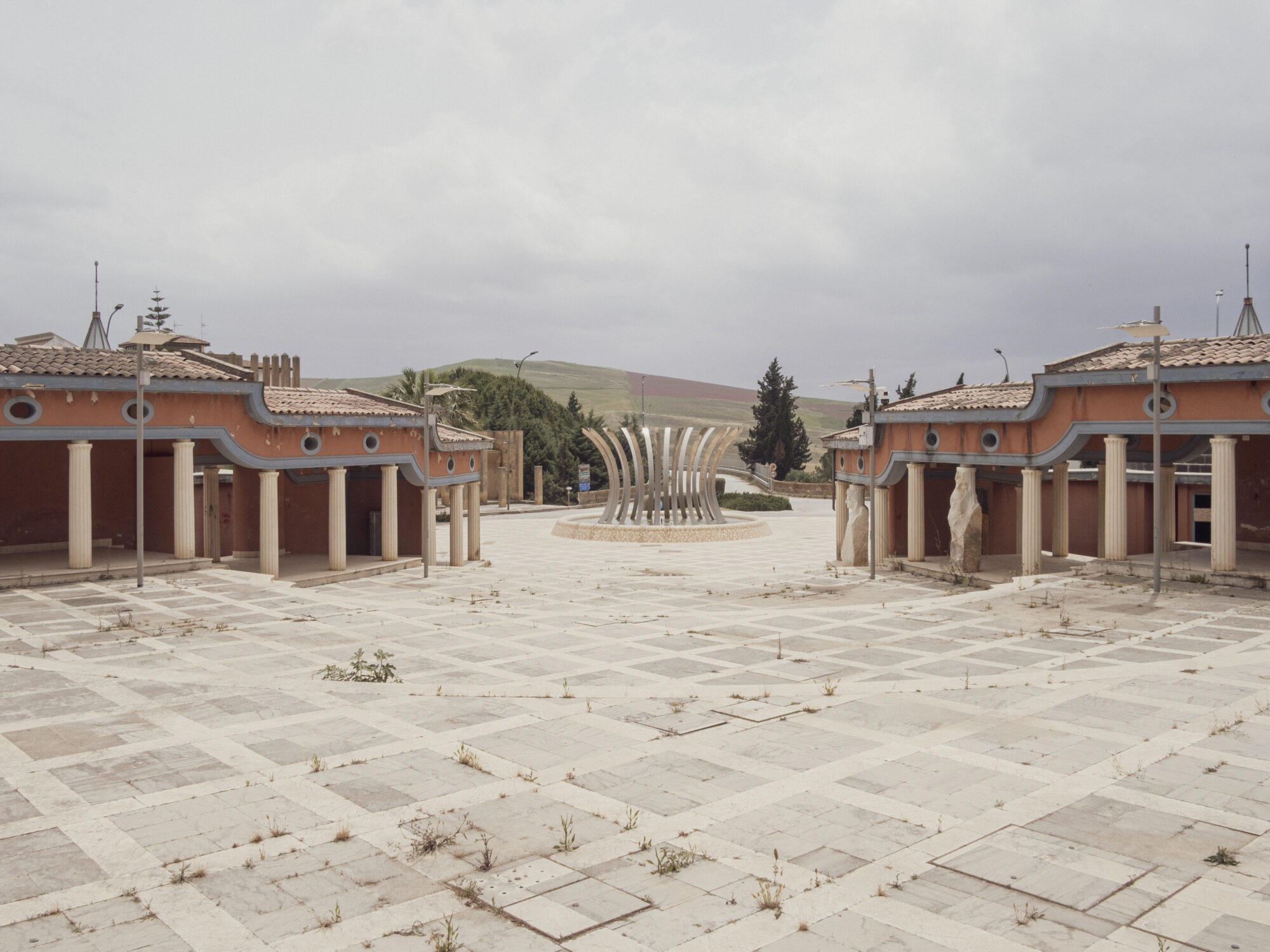
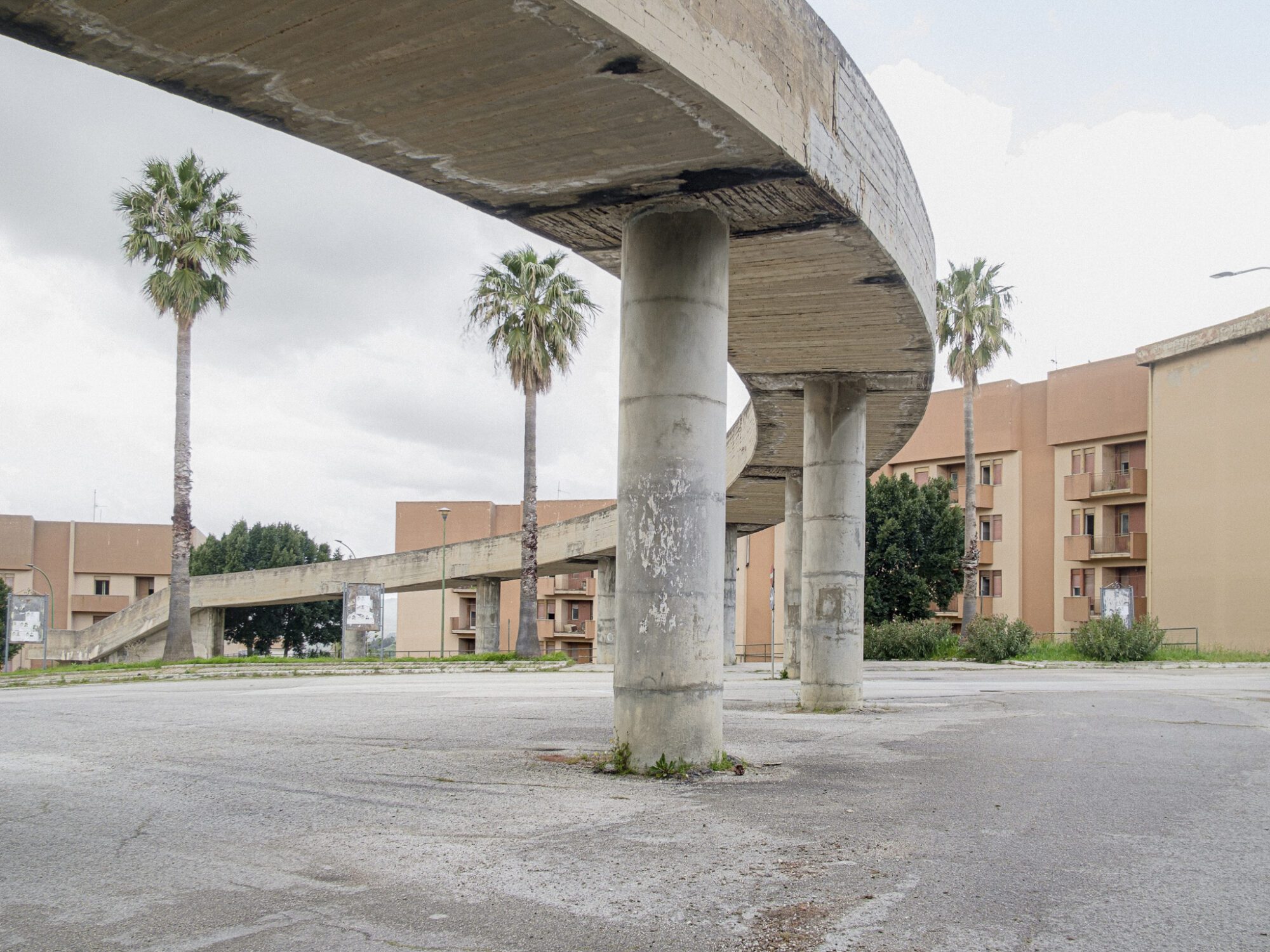
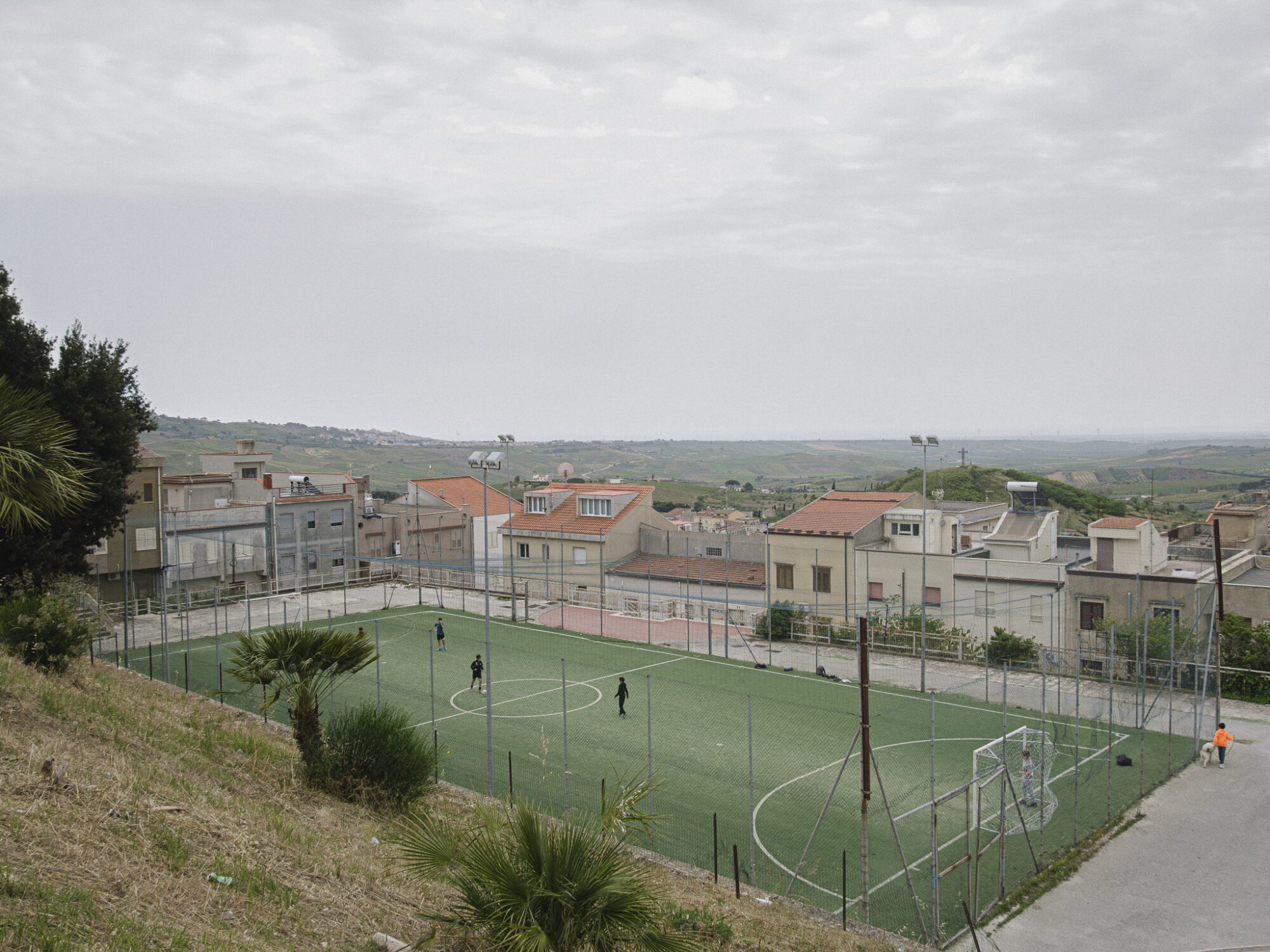
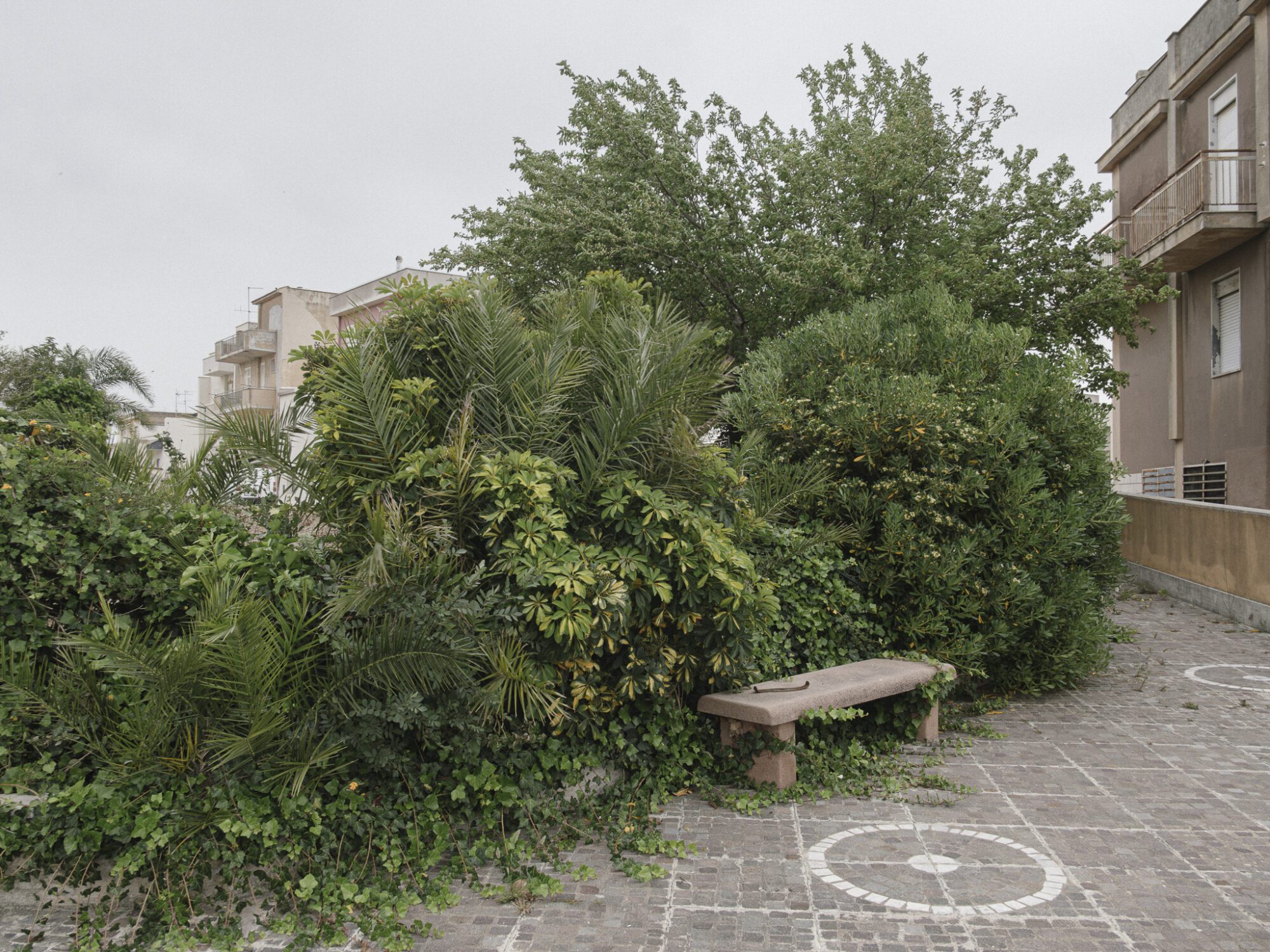
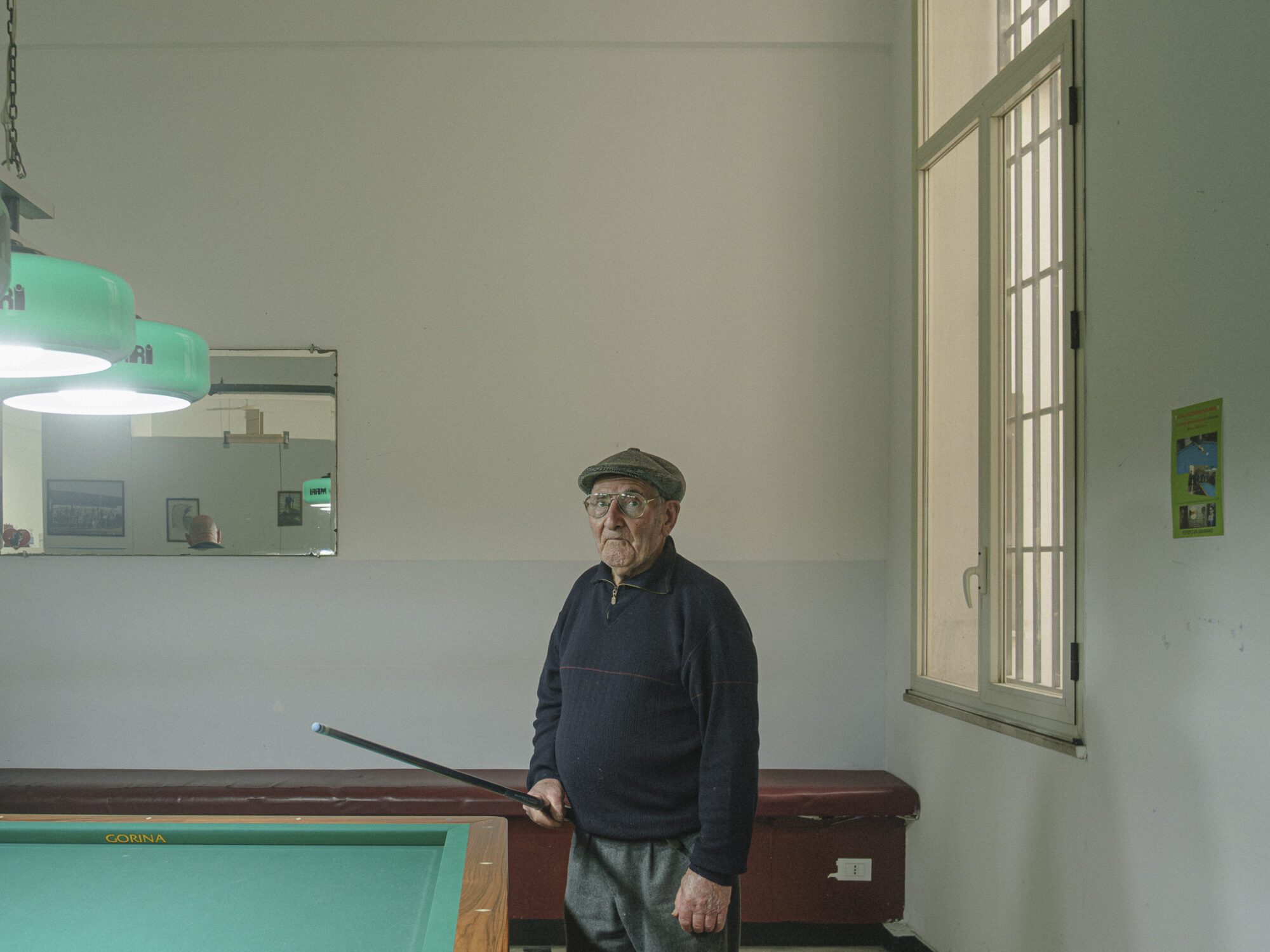
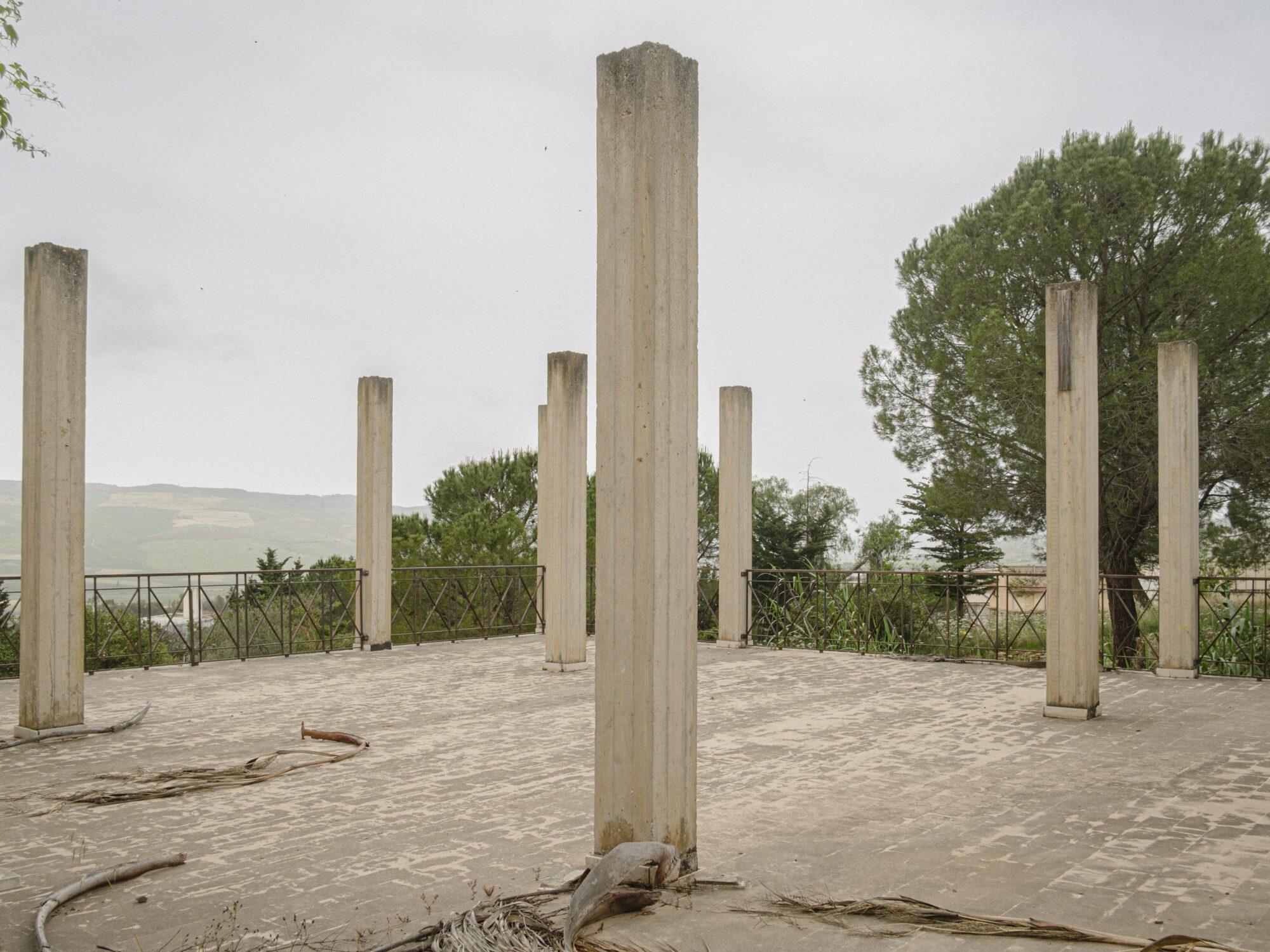
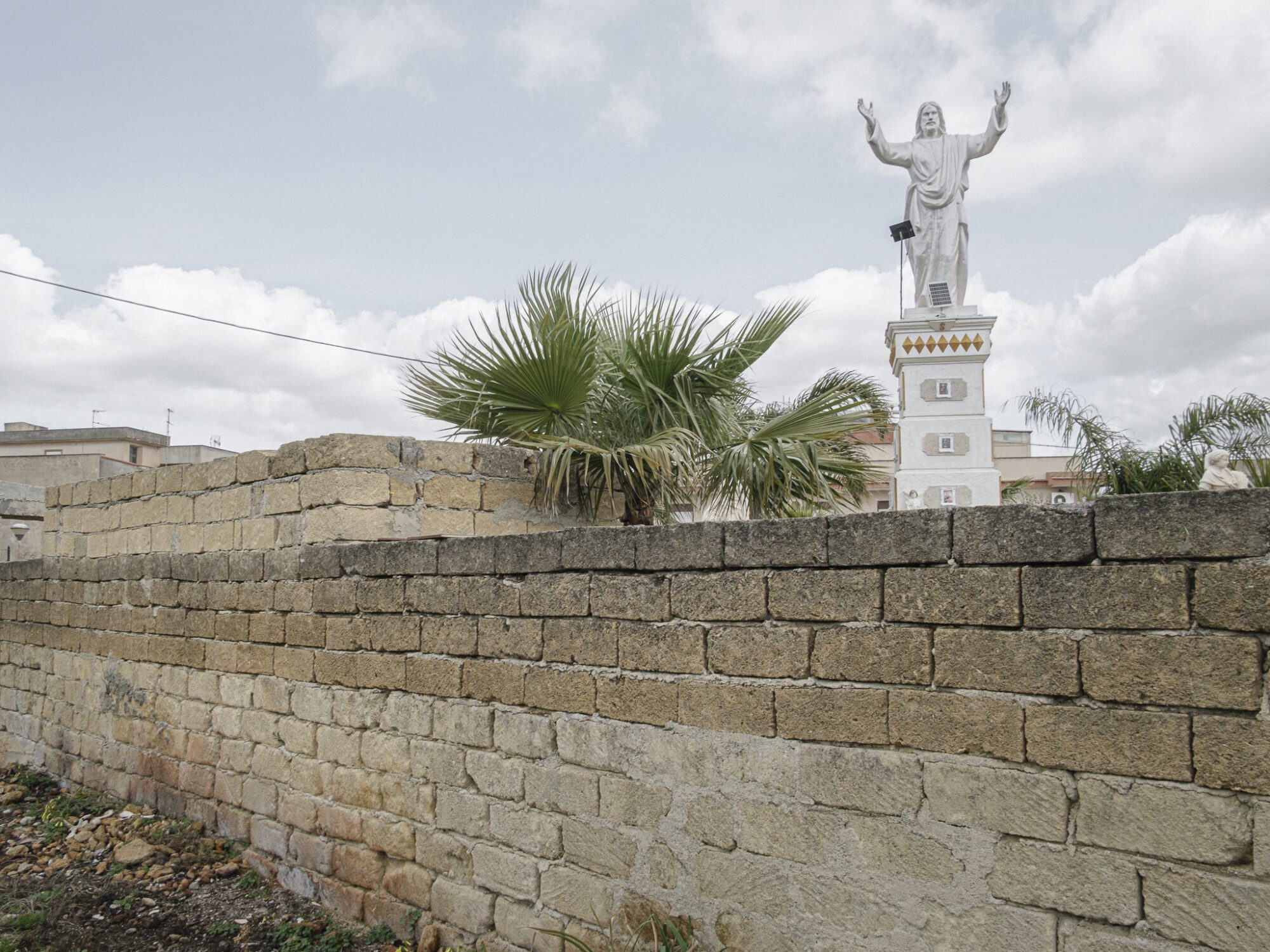
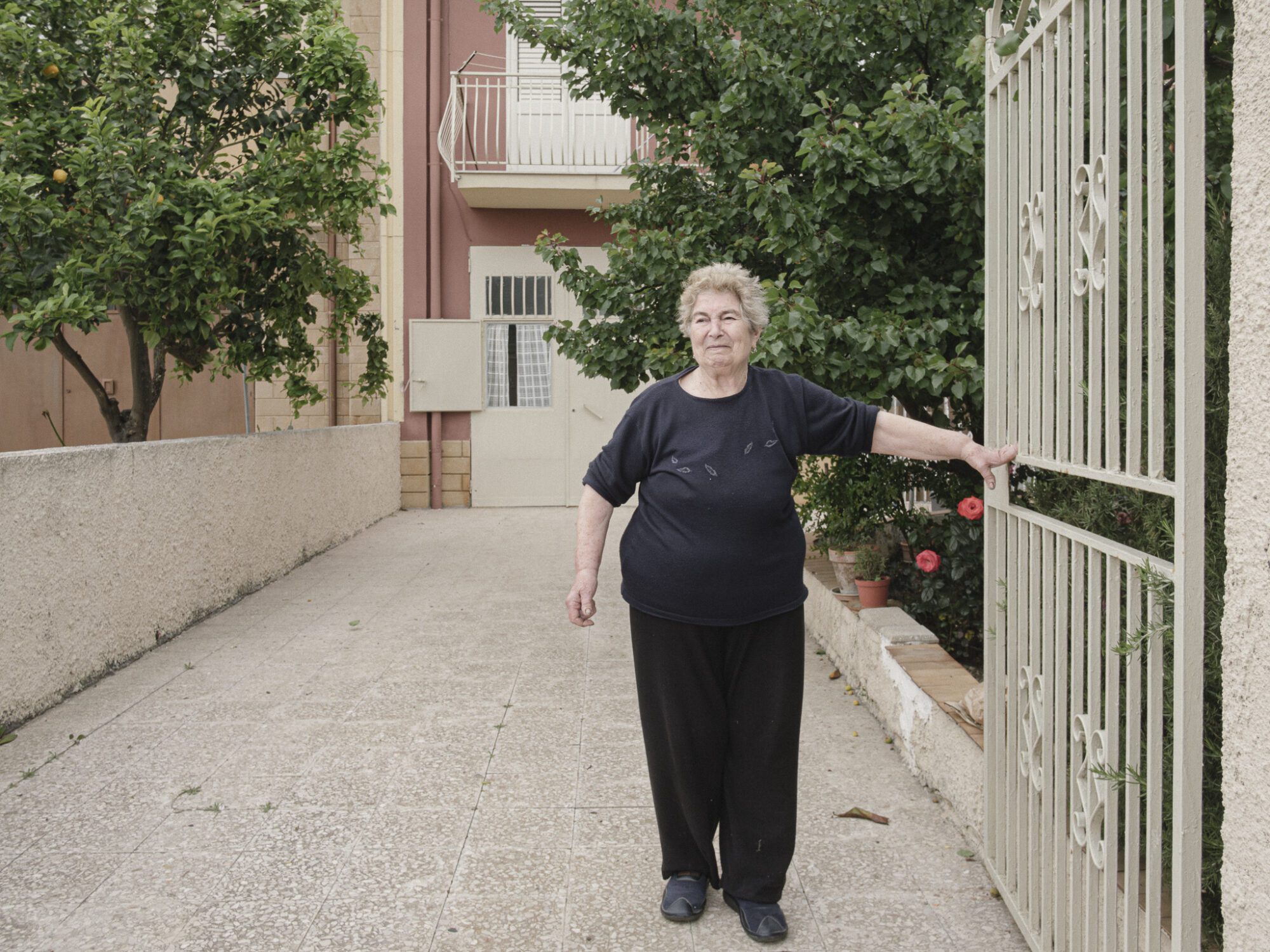
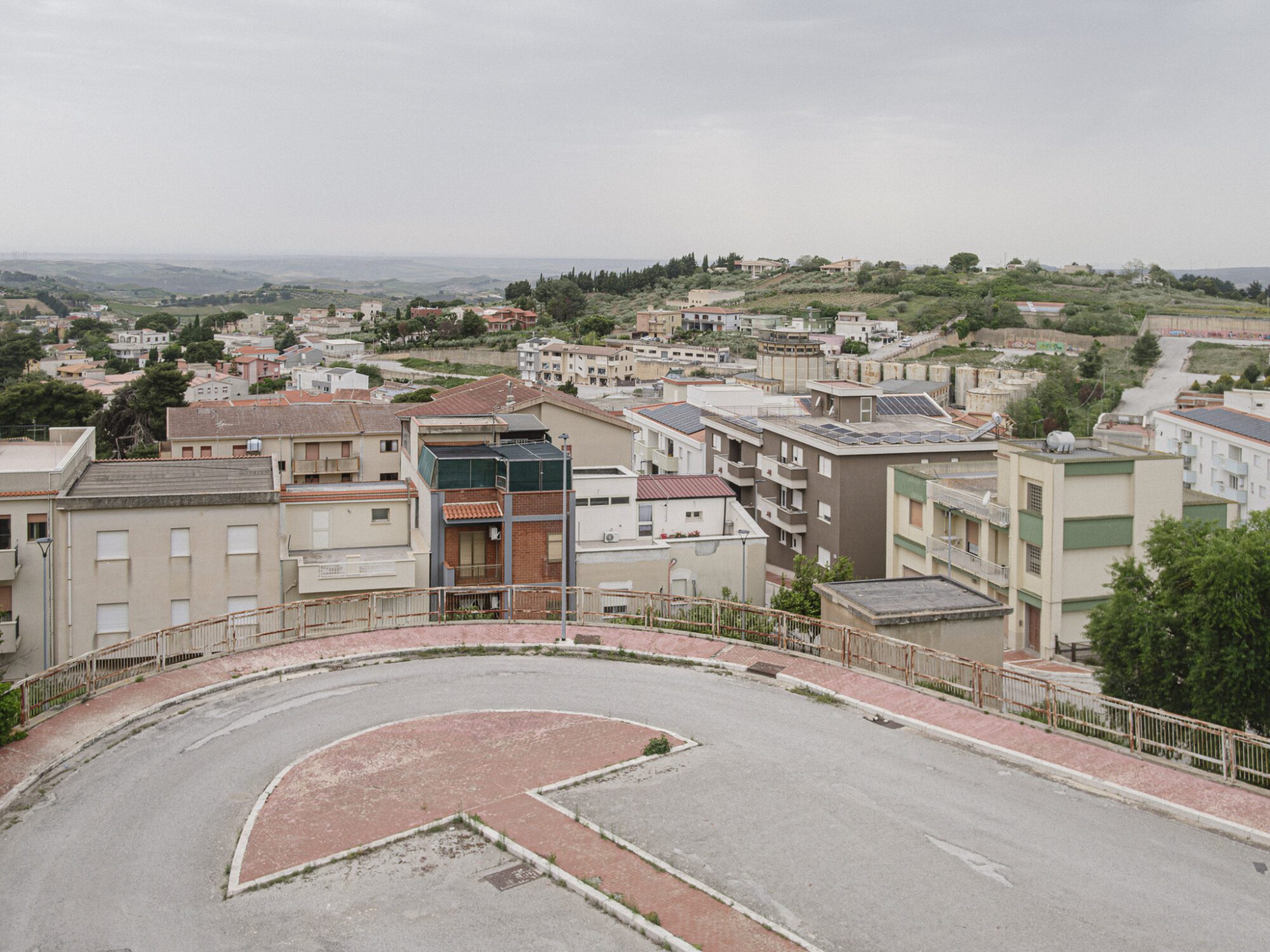
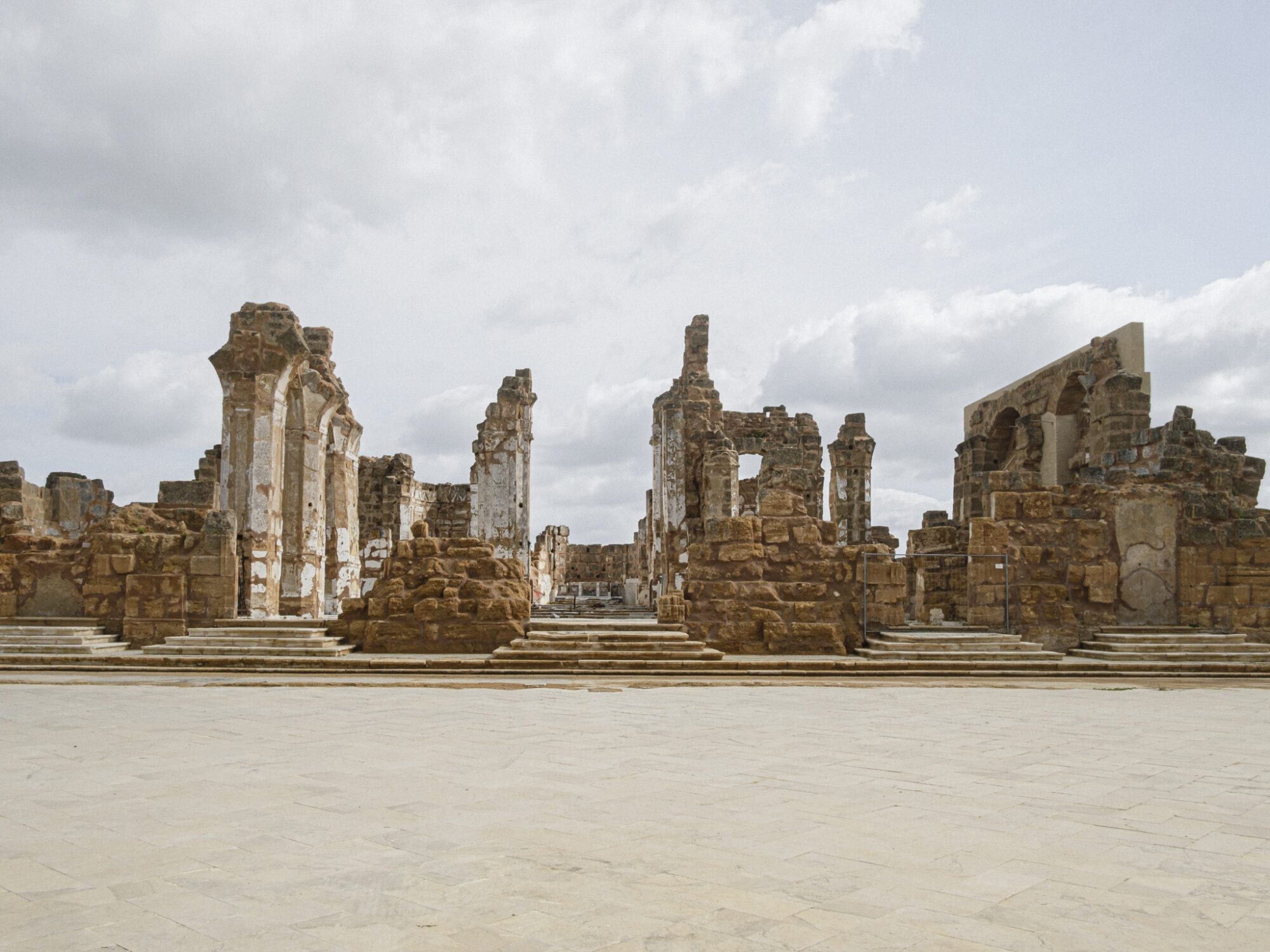
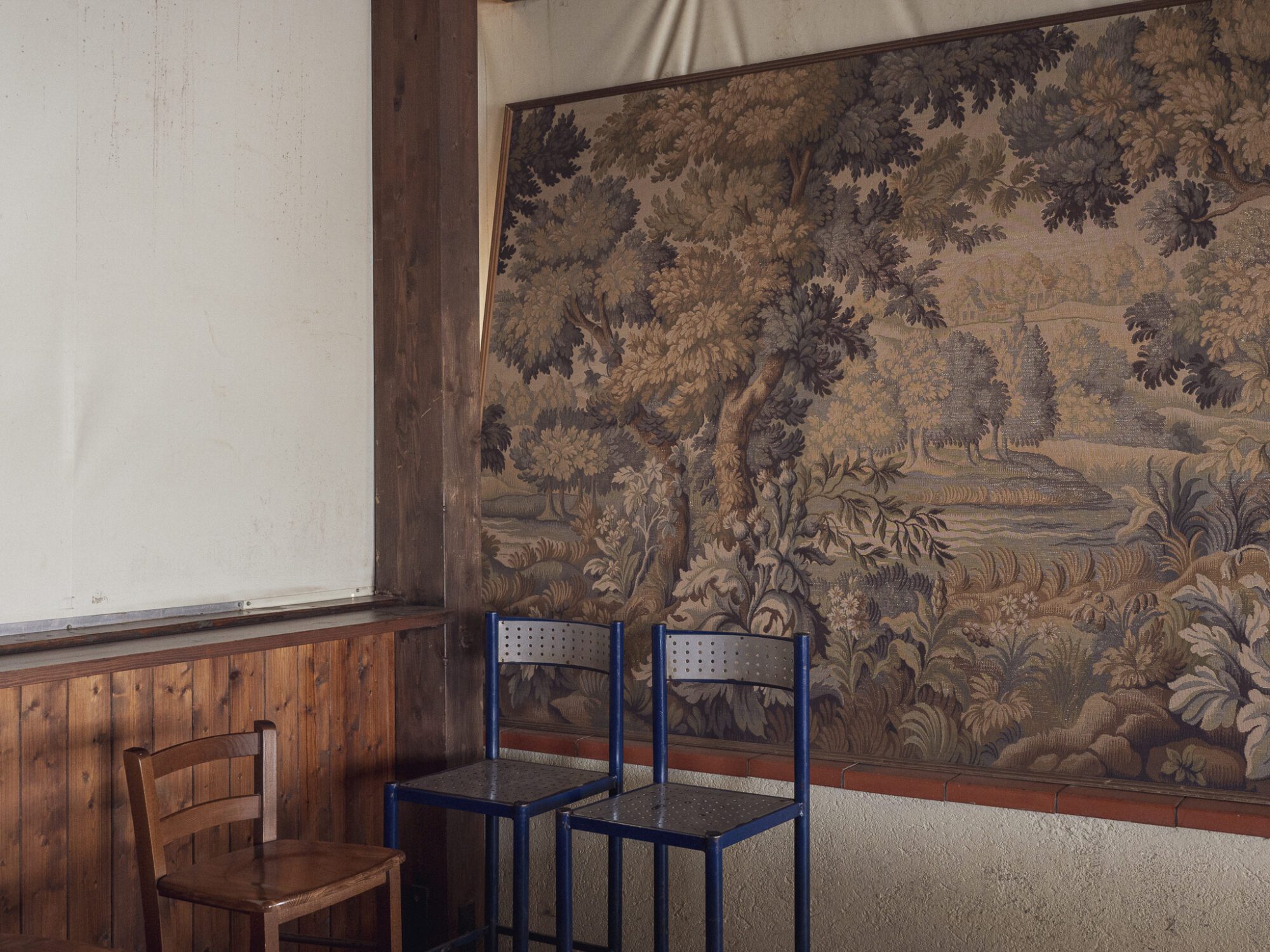
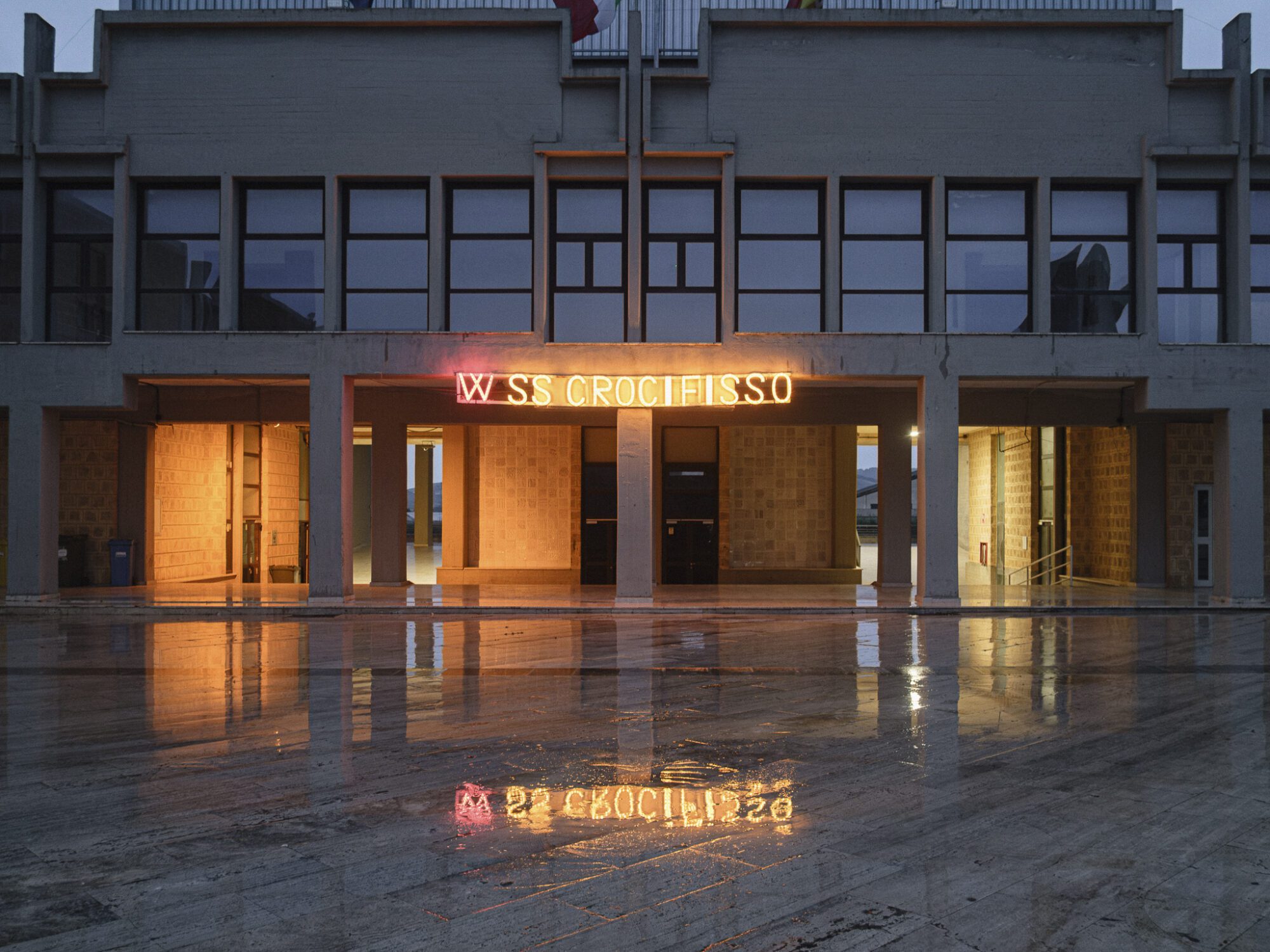
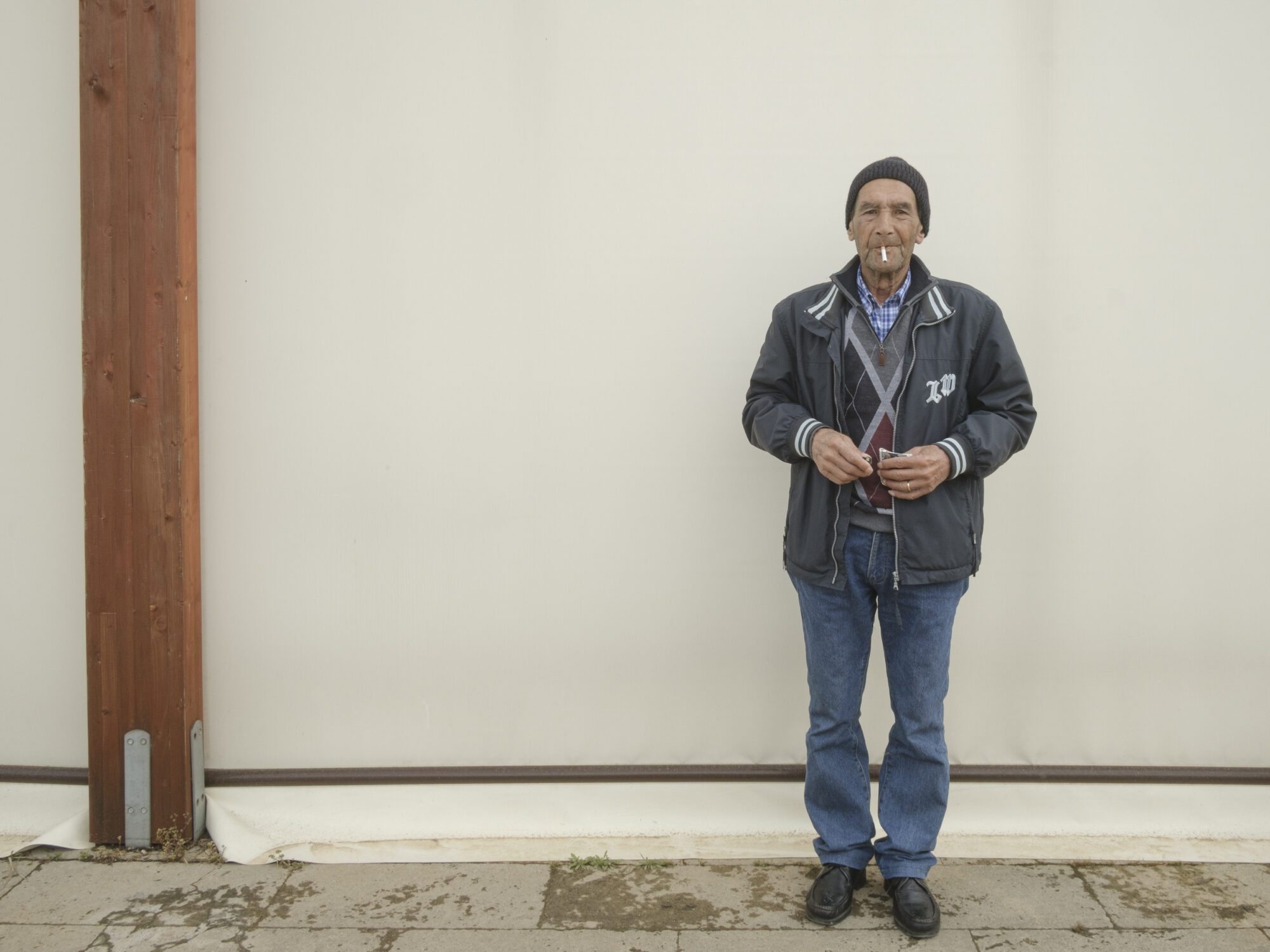
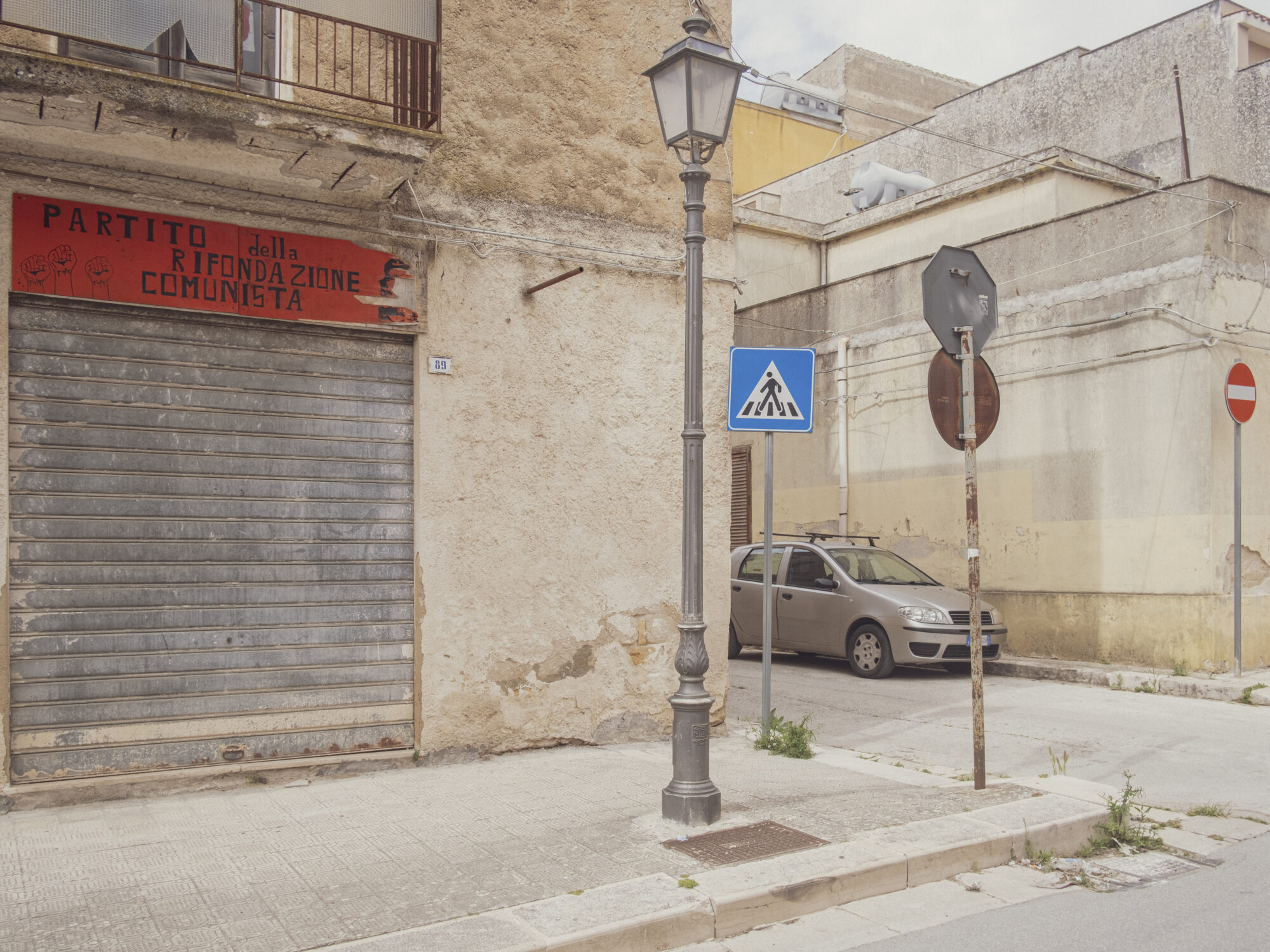
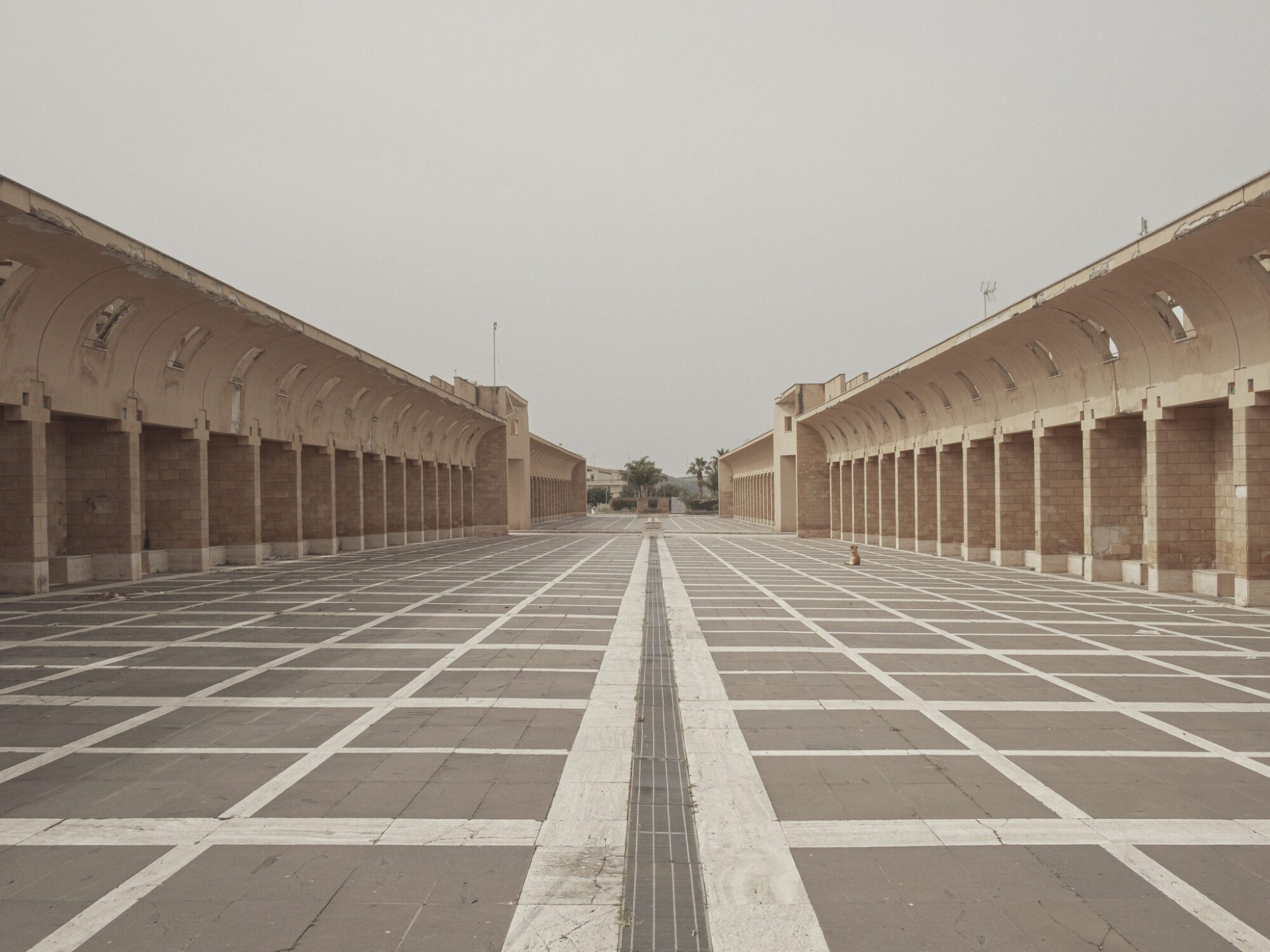
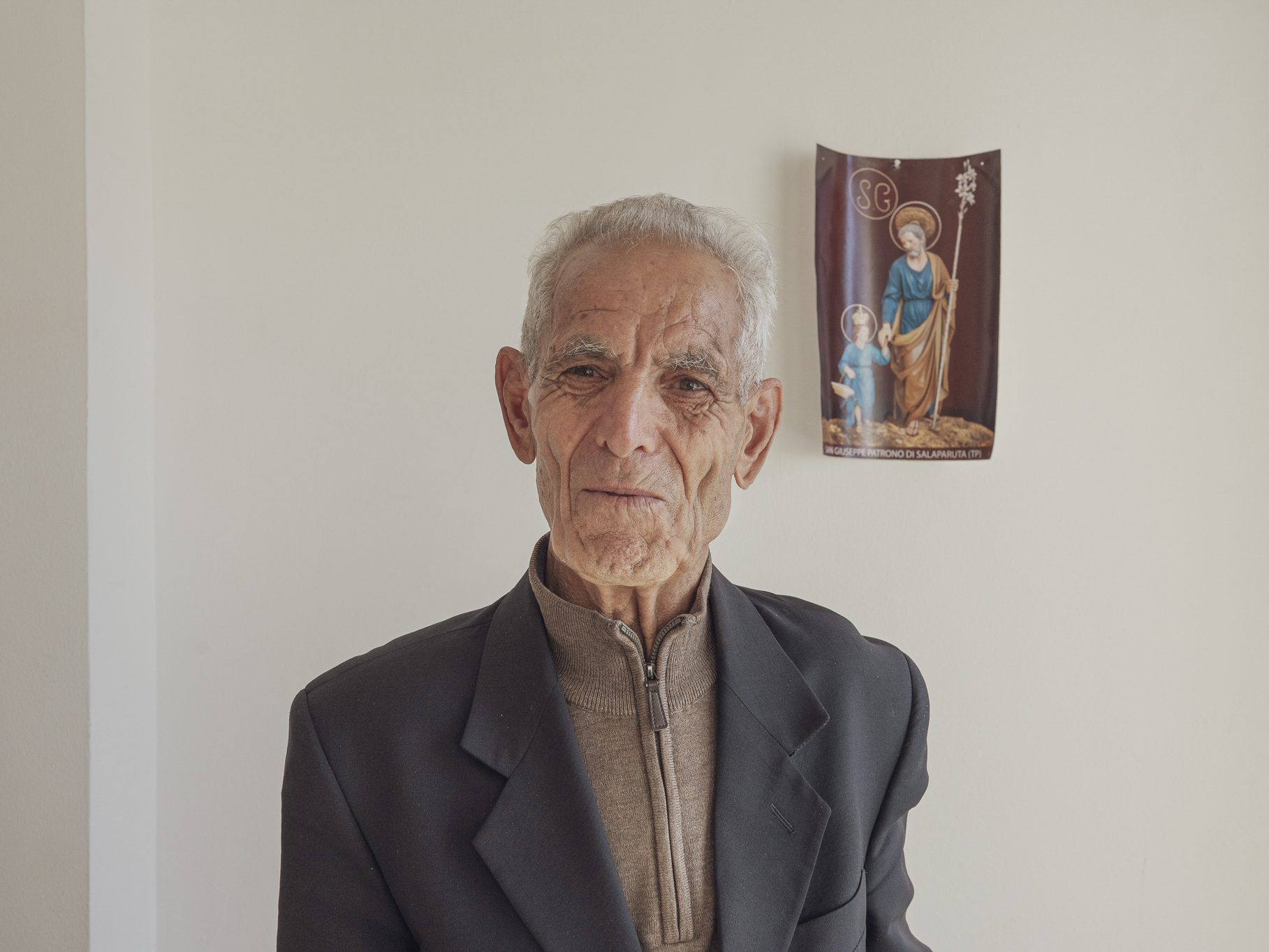
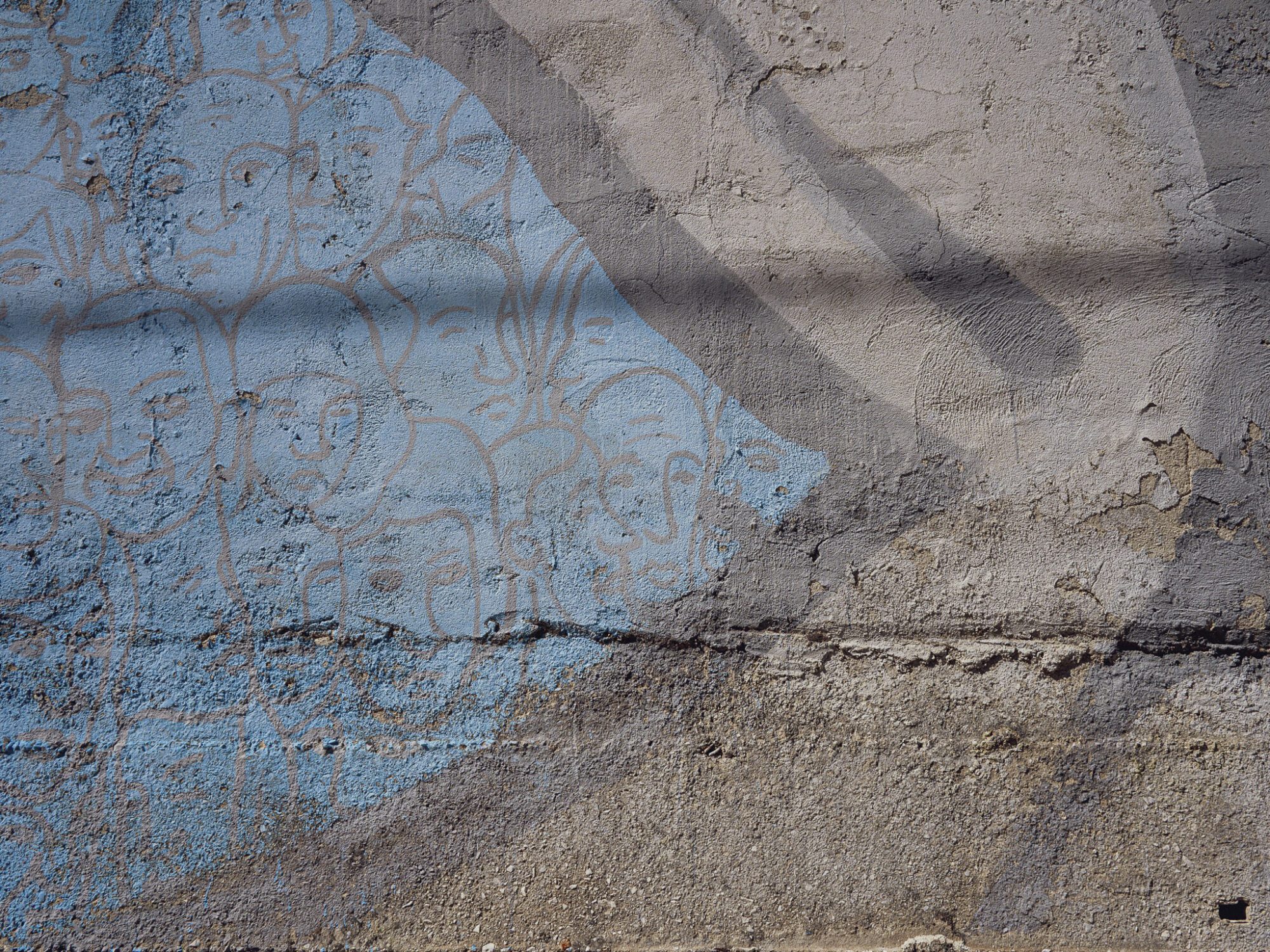
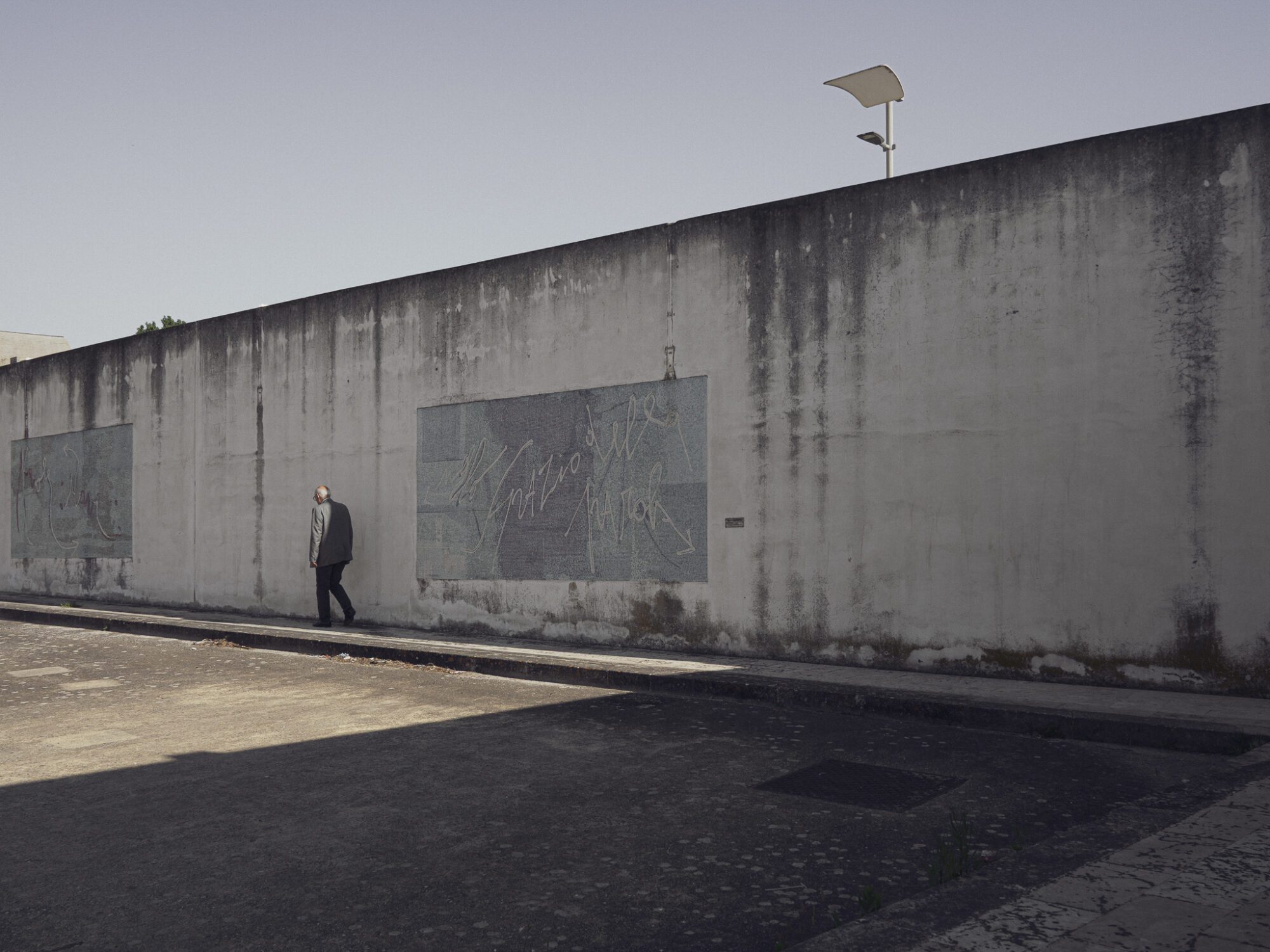
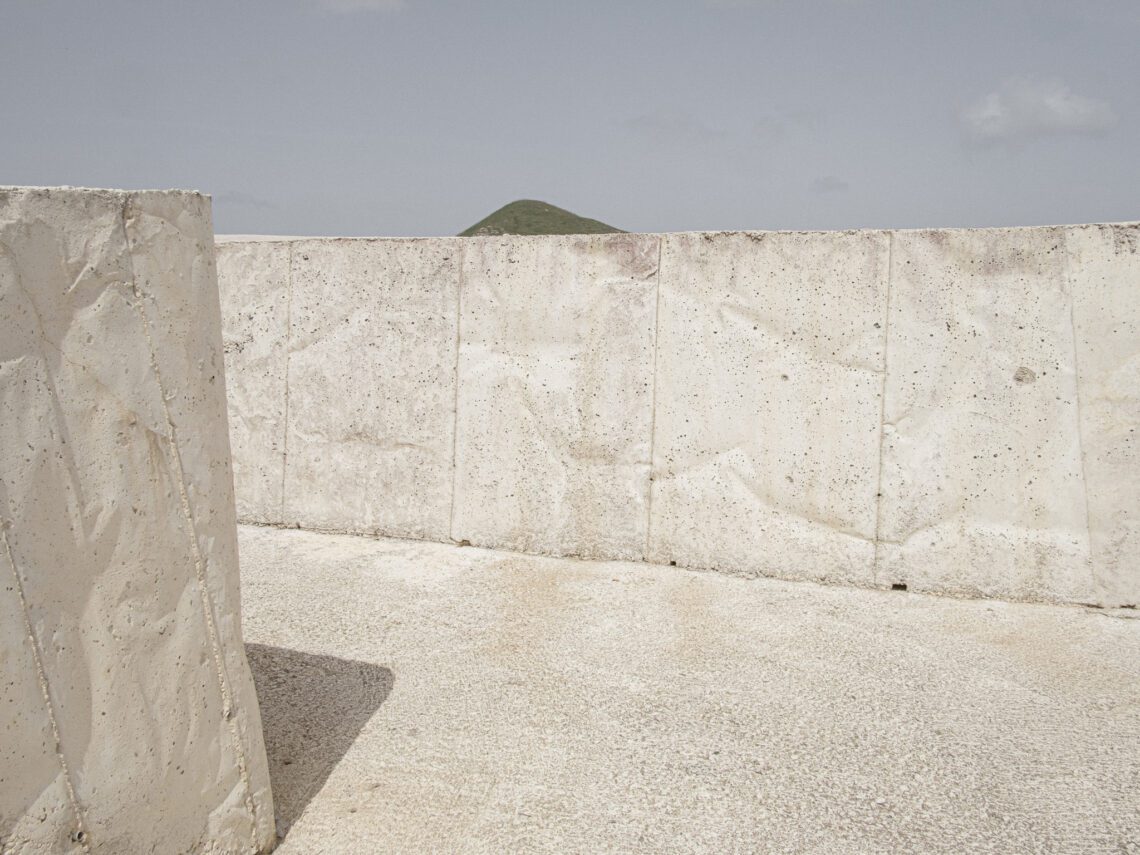
Questo progetto è stato realizzato tra il 2022 e il 2025, e si sviluppa tra i luoghi che rappresentano la testimonianza di una tragedia che ha plasmato per sempre il destino di una regione. Il racconto visivo si concentra su una geografia silenziosa fatta di piazze monumentali ma deserte, percorsi interrotti, segni grafici scoloriti sull’asfalto, architetture che sembrano attendere una funzione mai pienamente realizzata. Un paesaggio ri-costruito che sembra dialogare più con il vuoto che con una popolazione locale resiliente ma sempre più anziana e isolata.
La domanda che attraversa il lavoro è se oggi, a più di cinquant’anni dal sisma e nell’anno in cui Gibellina è stata eletta “Capitale italiana dell’arte contemporanea”, sia ancora possibile immaginare un modello culturale capace di attivare realmente il territorio e la sua comunità, o se questo patrimonio resti soprattutto una testimonianza, potente ma distante, di un’idea di rinascita rimasta in parte incompiuta.
English version
The January 1968 earthquake that devastated the Belice Valley, in the provinces of Trapani and Agrigento, not only destroyed entire villages but also irreversibly damaged a social fabric that still shows its most tangible signs today: in urban voids, in futuristic or oversized architecture, in the signs of an absence rather than in the rubble.
The towns hardest hit by the earthquake, including Poggioreale, Salaparuta, and Gibellina, were rebuilt in new locations deemed safer and more stable, with significant consequences for the lives of their residents and the social fabric of the communities involved. To bridge this emotional and geographical gap, it was decided to focus on a bold and innovative reconstruction model: New Gibellina was thus born as an open-air laboratory, where contemporary art and architecture would mend the rift between memory and present.
This project was completed between 2022 and 2025, and unfolds among sites that bear witness to a tragedy that forever shaped the destiny of a region. The visual narrative focuses on a silent geography of monumental yet deserted squares, interrupted paths, faded graffiti on the asphalt, and architecture that seems to await a function never fully realized. A rebuilt landscape that seems to engage more with the void than with a resilient yet increasingly aging and isolated local population.
The question that runs through the work is whether today, more than fifty years after the earthquake and in the year Gibellina was elected “Italian Capital of Contemporary Art,” it is still possible to imagine a cultural model capable of truly revitalizing the region and its community, or whether this heritage remains primarily a powerful yet distant testimony to a vision of rebirth that remains partially unfulfilled.